
Why Does the Market JUMP when the Fed Cuts Rates?
I remember when a student asked me this exact question, and it seemed like perfect timing to come back to it since the Fed just cut rates by 0.25% today.
FINANCEINVESTMENT BANKING
Ascendant Training
12/10/20251 min read
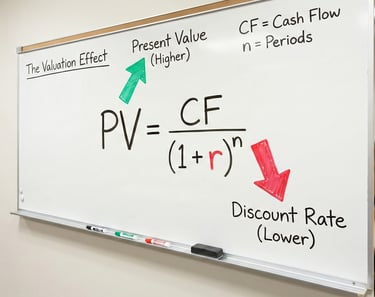
"Why does the stock market often jump when the Fed cuts rates?"
I remember when a student asked me this exact question, and it seemed like perfect timing to come back to it since the Fed just cut rates by 0.25% today.
There's a few effects at play. Here's what I told them:
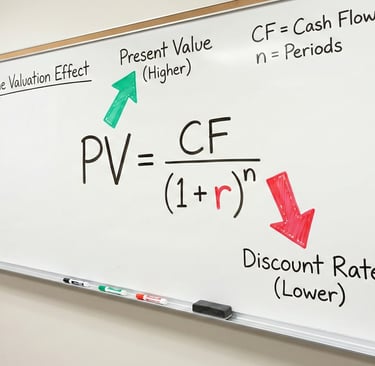
📉 Lower rates = lower discount rates. When investors value a company, future cash flows get discounted back to today. Lower discount rate → higher present value → higher stock prices. That math effect alone can move markets.
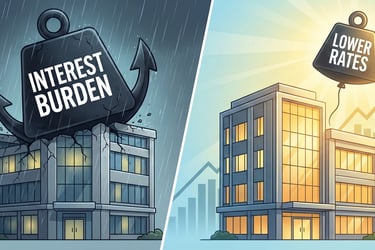
💵 Borrowing gets cheaper: Companies refinancing debt suddenly have a lighter burden. Lower interest expense = more earnings = higher valuations.
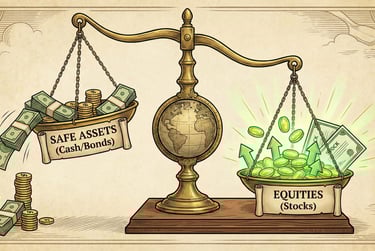
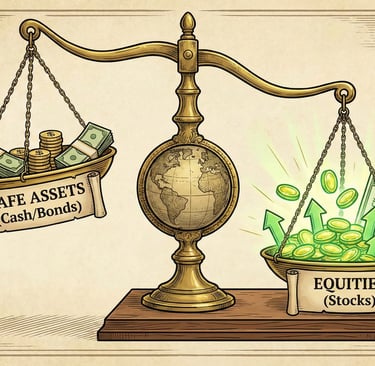
🏎️ Risk appetite increases: Lower yields on safer assets push investors toward equities. More demand → higher prices.
☺️ Expectations shift: Rate cuts signal the Fed's view on where the economy is headed. Even if fundamentals haven't changed yet, expectations have... and expectations drive prices.
But here's what I remind every student that comes through training:
Rate cuts don't make bad businesses good. They just make the math look nicer. A rate cut is a tailwind - it's not a substitute for cash flow, strategy, or discipline.
Today's market reaction wasn't magic. It was finance. And it's a reminder: When the cost of capital changes, the whole market reprices... pretty much instantly.

Where Wall Street comes for Training
CONTACT
MAILING LIST
+1-646-801-6208
© 2025 Ascendant Training LLC. All rights reserved.